Myeloproliferative neoplasms (MPNs) are a collection of rare blood cancers that occur when bone marrow makes too many of a certain type of blood cell, such as platelets or red blood cells. MPNs are also a condition of chronic inflammation, and includes diagnoses such as:
- Essential thrombocythemia (ET)
- Myelofibrosis (MF)
- Polycythemia vera (PV)
How do I make the best food choices throughout cancer treatment?
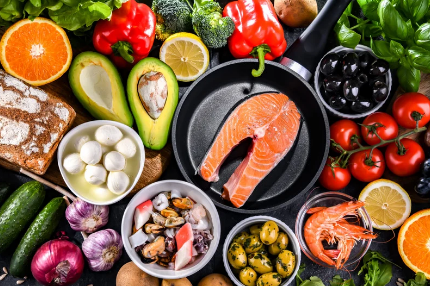
When you are living with an MPN, nutrition can be an important part of managing your health. There isn’t one diet or specific food that can help increase or decrease the number of certain types of blood cells. Eating a well-balanced diet is recommended to improve your energy level, support your immune system, and maintain your strength. While there is still a lot for us to learn about nutrition for MPNs, we do know that nutrition can help to decrease inflammation, improve quality of life, and help to manage side effects from an MPN or treatments for MPNs.
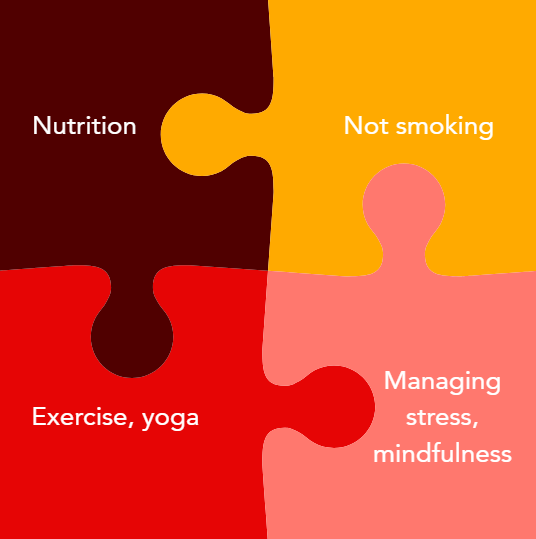 Inflammation can impact symptoms and progression of an MPN. In addition to medical treatment, lifestyle approaches such as diet, not using tobacco products, physical activity, and managing stress through practices such as meditation and mindfulness may help to reduce inflammation and support overall health. Food is just one piece of the puzzle to decrease inflammation in your body. Foods that can be helpful to decrease inflammation:
- Fiber foods: Whole grains and whole grain products such as whole wheat tortillas and bread products, legumes, fruit, vegetables, nuts and seeds
- Omega-3 fatty acids: Fatty fish (such as salmon, sardines, mackerel), flax seeds, chia seeds, walnuts
- Monounsaturated fats: Olive oil, canola oil, avocados, nuts, seeds
- Polyphenols: Olive oil, black and green tea, dark chocolate, legumes, berries, onions, nuts, seeds, coffee
- Flavonoids: Onions, kale, lettuce, tomatoes, apples, bananas, peaches, pears, grapes, berries, citrus, soybeans, legumes
- Vitamin C: Citrus such as lime, bell peppers, kiwi, broccoli, strawberries, and Brussels sprouts
- Vitamin E: Wheat germ, sunflower oil, safflower oils, sunflower seeds, hazelnuts, peanut butter, peanuts
- Carotenoids: Pumpkin, spinach, sweet potato, carrots, winter squash, cantaloupe
- Prebiotics: asparagus, garlic, onion, Jerusalem artichoke, wheat, banana, barley, tomato, rye, soy, peas and beans
- Herbs and spices: Garlic, ginger, cilantro, rosemary, peppers, clove, basil, oregano, cumin, turmeric, paprika, cinnamon and thyme
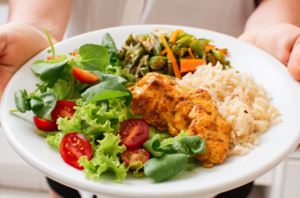 focuses on shifting the amount food on your plate; eating more plant-based foods and less animal-based foods.